Wall linings or new partitions
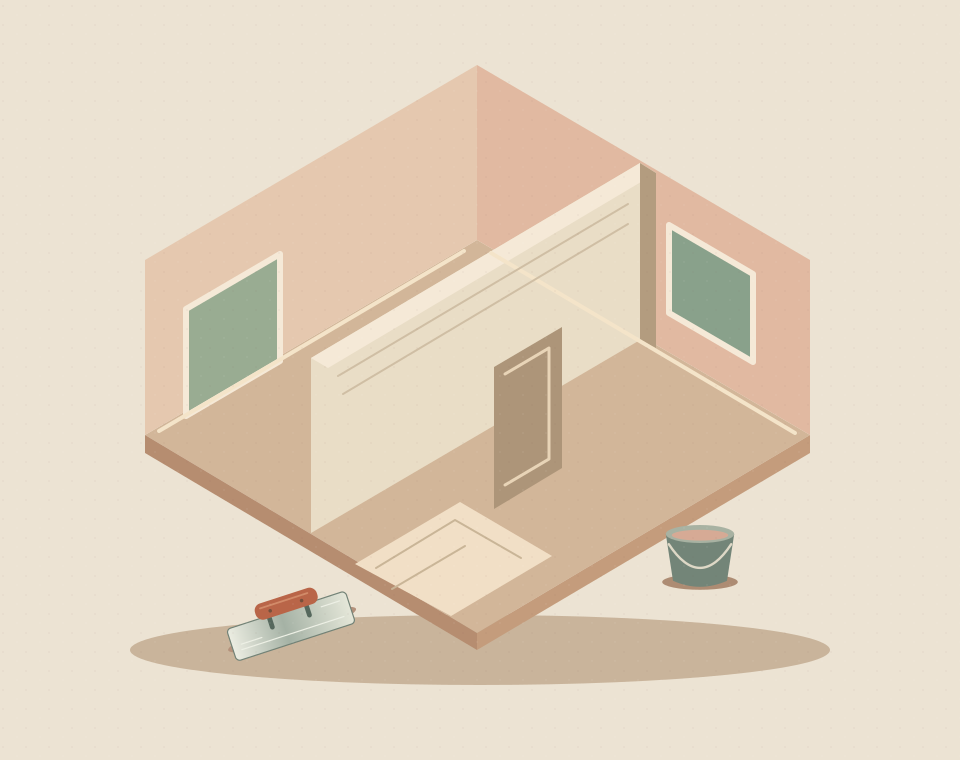
Lining an existing wall and building a new partition solve different problems. A lining follows an existing structure, while a partition creates a division in the space. Both can use plasterboard, but the supporting system, room dimensions and detailed requirements need their own scope.
Choose the dry lining system
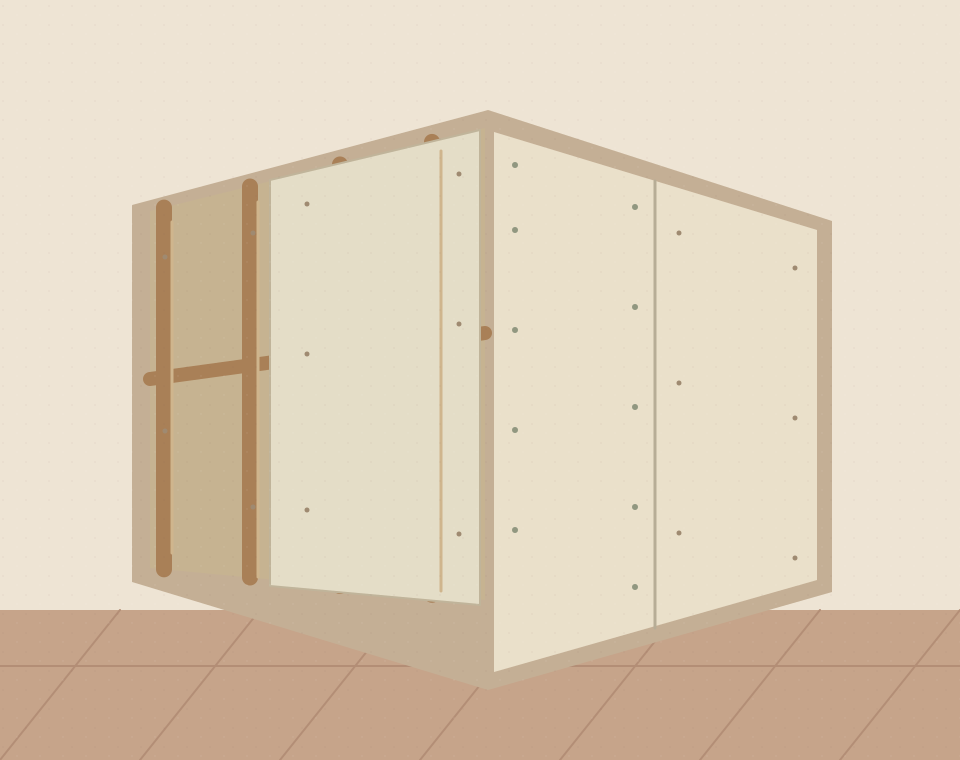
Wall boarding includes direct-bonded, battened and insulated options. Partition systems cover general stud walls and systems with acoustic or fire requirements. Begin with what the room needs to achieve, then establish the appropriate specification rather than choosing a board in isolation.
Match the lining to the wall and room
The existing wall's condition, the available space and planned services all affect the decision. Identify heavy fixtures and any insulation, sound or fire requirements early. Covering a surface does not resolve an active moisture problem or establish the suitability of the background.
Does dry lining include a plaster finish?
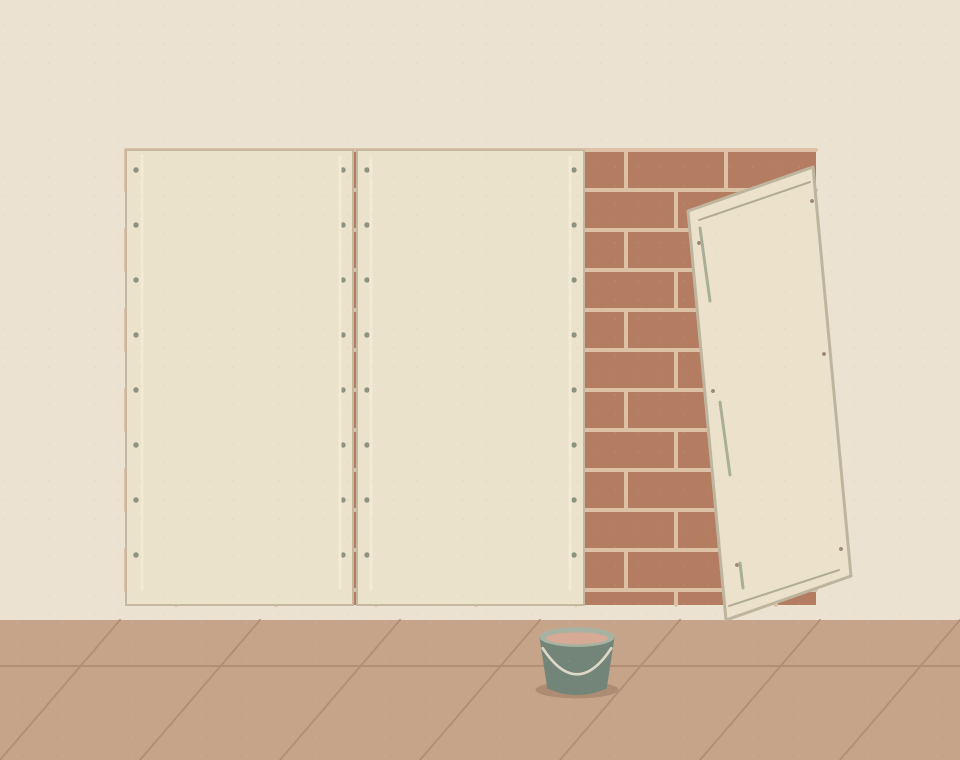
Dry lining creates a boarded surface, but the final finish depends on the chosen system. Boards may receive a specified joint finish or a plaster skim. Support, board fitting and finishing are separate parts of completing the wall, and a board-only installation is not the same as a surface prepared for decoration.
Check whether the package includes those stages, reveals and edges. Removal, service changes and painting can remain separate work.
Describe the layout and lining work
Provide dimensions or a layout sketch, the existing construction if known and the reason for the work. Include door openings, reveals and fixtures. If the lining forms part of a larger refurbishment, connect its programme with the other trades and the final plastering work.
Planning help: Plastering Area Calculator
PRACTICAL SERVICE DETAILS
Common questions
How does dry lining differ from wet plaster?
Dry lining uses boards as part of a lining or partition system. Wet plaster builds a surface directly over a suitable background. The project requirements guide the choice.
Does dry lining always include a skim?
No. Boards may receive a specified joint finish or a skim. Ask what surface will be handed over and whether it still needs preparation before painting.
Can it change room dimensions?
Yes. Ask for finished dimensions, including boards and plaster, before ordering fitted furniture or checking clearances around doors.
How are acoustic or fire requirements specified?
They should come from the project's requirements and an appropriate system design. A board choice alone does not establish the complete wall's performance.