Assess a sagging ceiling before finishing
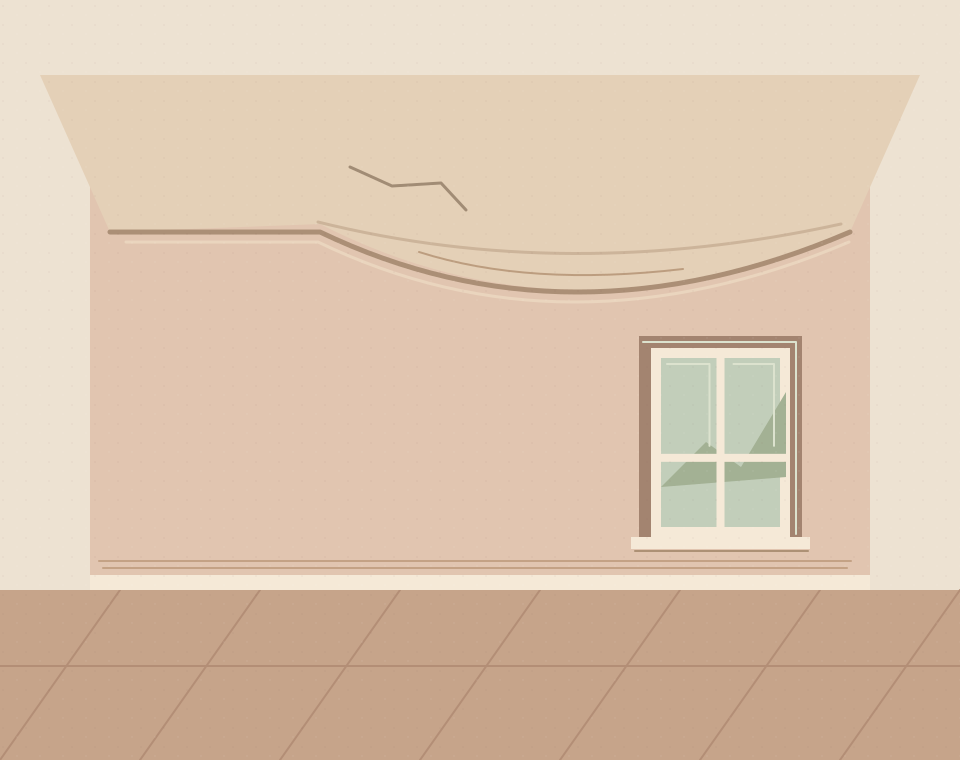
A dipping, bulging or partly detached ceiling is not simply a rough surface to skim. Keep clear of visibly unstable material and arrange appropriate professional assessment. Avoid pressing, prodding or pulling at the ceiling. Do not rely on a photograph or a plastering estimate as confirmation that it is safe.
Check ceiling construction and support
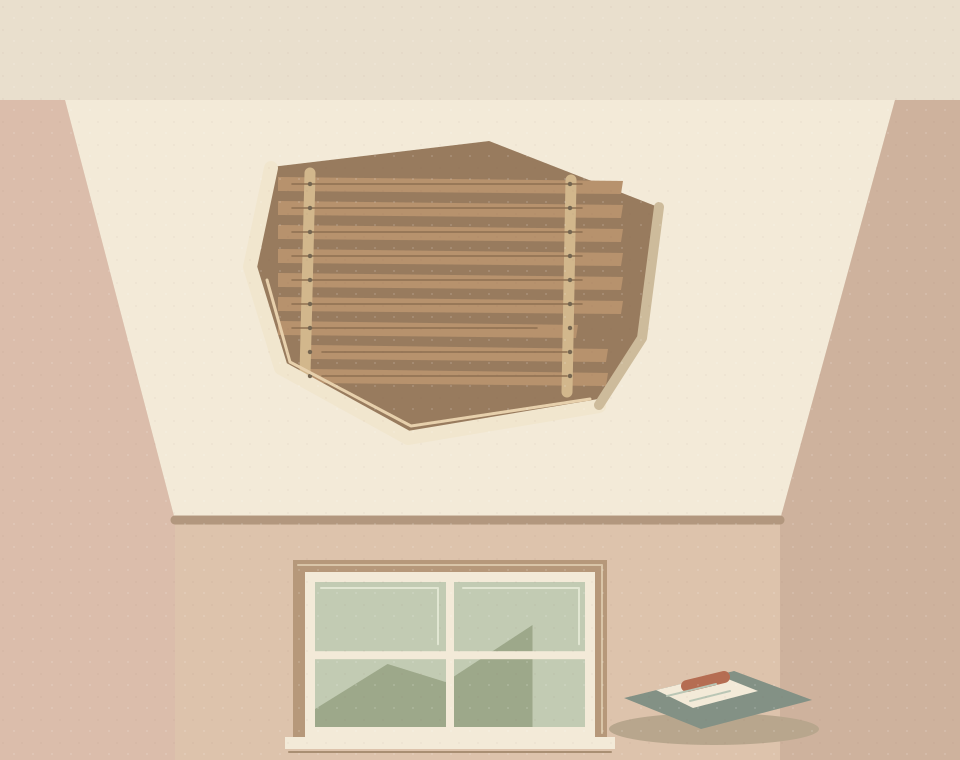
The assessor needs to understand the construction, what has changed and any leak or alteration history. Boarded ceilings and traditional lath-supported plaster can involve different repair considerations. Explain when the dip was first noticed and whether other damage has appeared nearby.
Ceiling repair or replacement
The repair scope depends on the ceiling and its support. Suitable material may be retainable in some cases; wider reinstatement may be needed in others. The decision should follow inspection, with any underlying building work identified separately from plaster finishing.
Resolve causes and protect the room
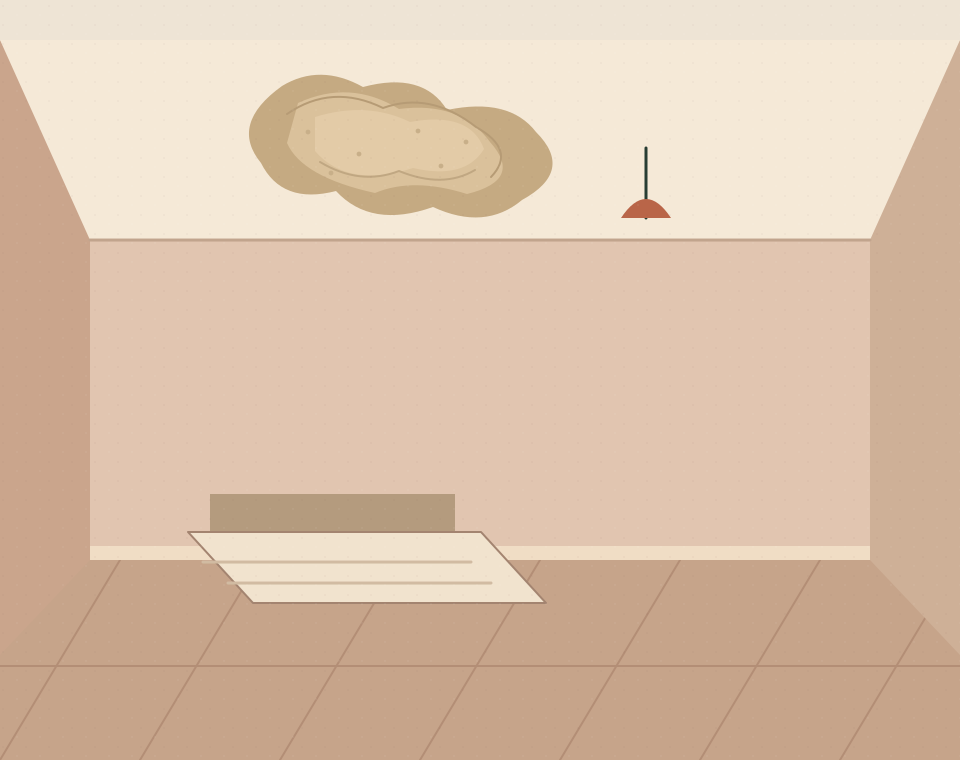
If water has contributed to the damage, the source and affected condition need attention before replacement material is fitted. Agree how the room will be accessed and protected. Lighting and decorative features may require coordination with other trades or specialist repair work.
Plan reinstatement after assessment
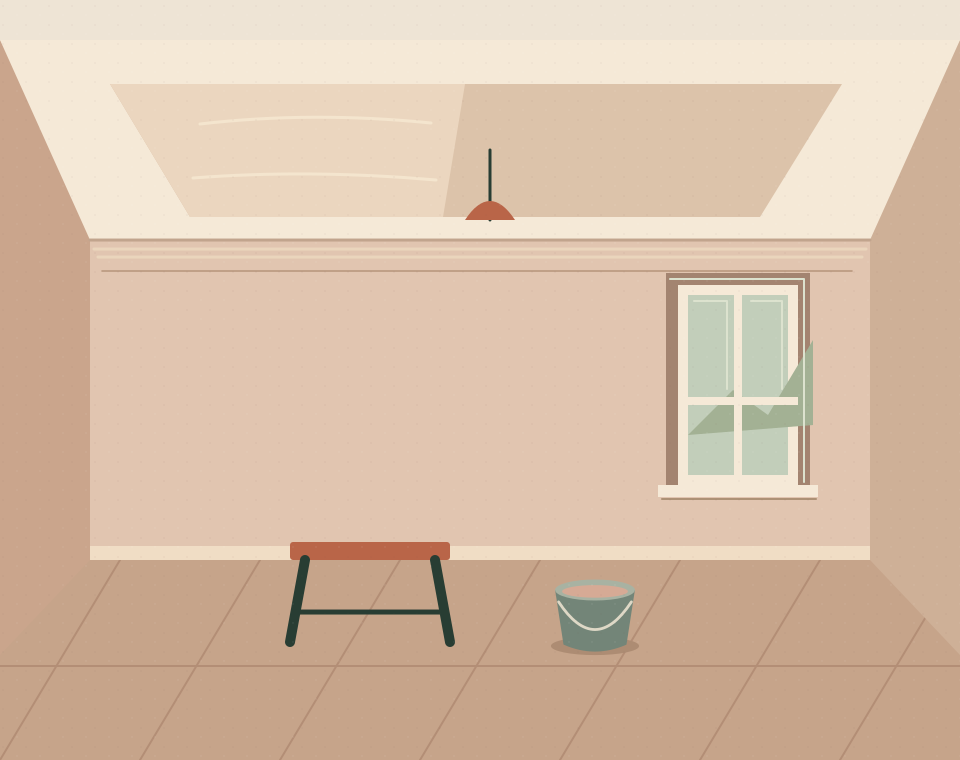
After assessment, define what will be removed, retained and reinstated. Include the final ceiling finish, edge details and decoration responsibilities. This gives a repair quotation a clear basis and avoids treating a fresh skim as the answer to an unresolved support problem.
PRACTICAL SERVICE DETAILS
Common questions
Can a sagging ceiling be skimmed?
A skim is not a remedy for a ceiling that has lost support or stability. Assessment and any necessary repair must come before finishing.
Does sagging always mean full replacement?
Not always, but retention cannot be assumed. The condition of the plaster, background and supporting construction determines the appropriate scope.
What information helps an assessor?
Construction details if known, photographs taken safely, change over time and any water or alteration history all help explain the concern.
Who decides whether underlying construction needs other work?
The appropriate person inspecting the condition should identify that need. Plaster finishing should not proceed on assumptions about the underlying construction.