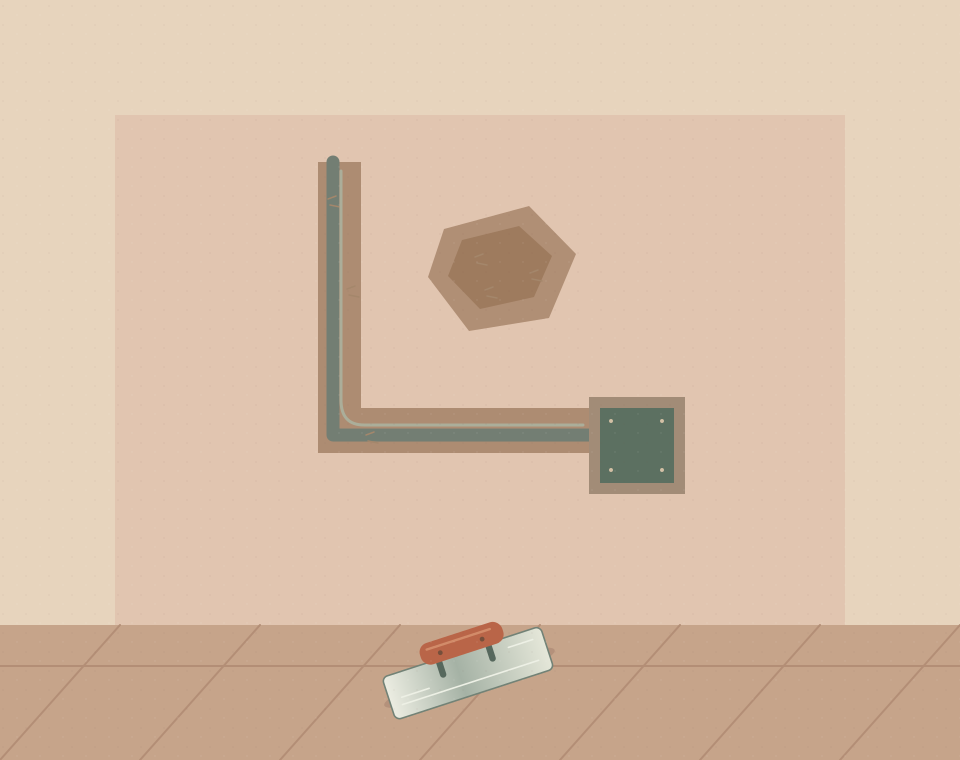
Identify the extent of wall damage
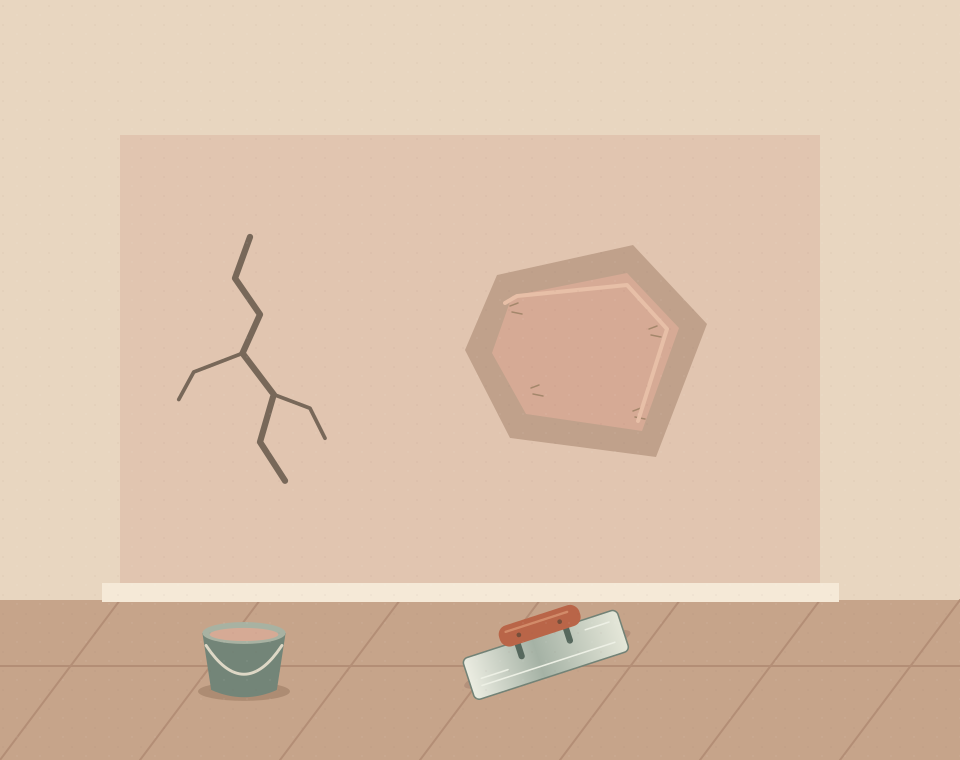
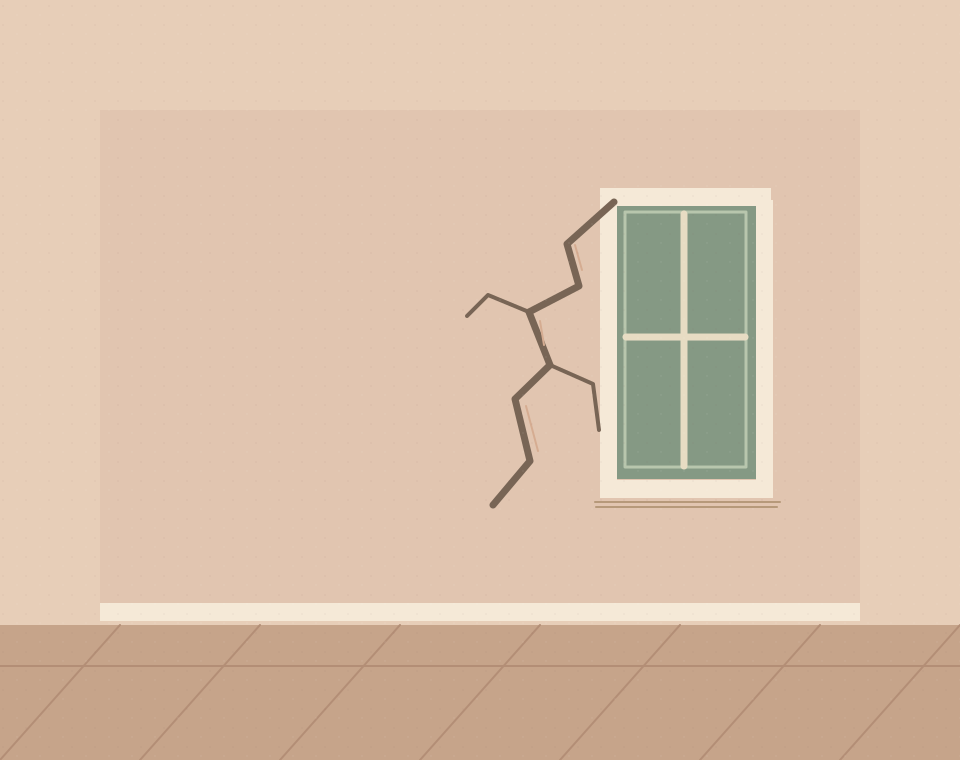
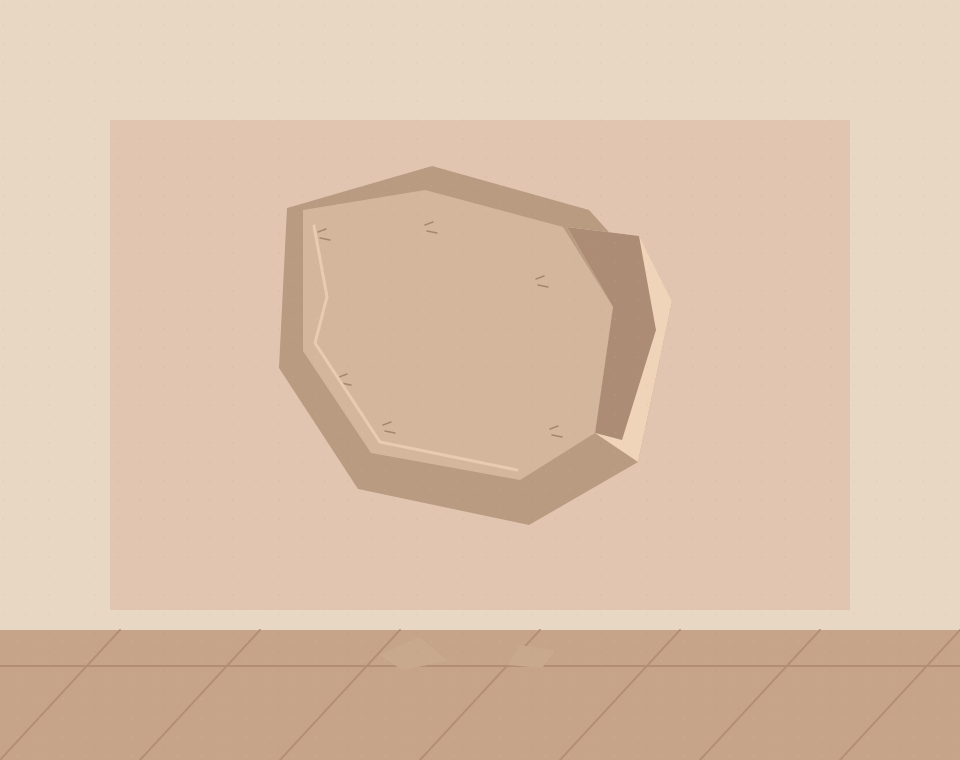
Cracking, loss of adhesion and physical holes have different starting points. A crack may cross otherwise intact plaster, while loose material needs its attachment assessed. A chase left by service work has a known opening to reinstate. Tell the plasterer which of these describes each area.
Crack, loose plaster and hole repairs
Use the cracked-plaster route for visible or recurring lines. Choose loose or blown plaster when material is detaching or bulging. Holes and chasing repairs cover missing areas after damage, rewiring or plumbing. Several types can be included in one room without assuming one repair method suits all.
Check the wall background before finishing
The wall construction and any history of moisture or movement affect the decision. Explain previous repairs and whether the problem returns. A finish should be applied over a suitable background, so investigations or other repairs may need to happen before making good the plaster.
Agree the repair and finishing boundaries
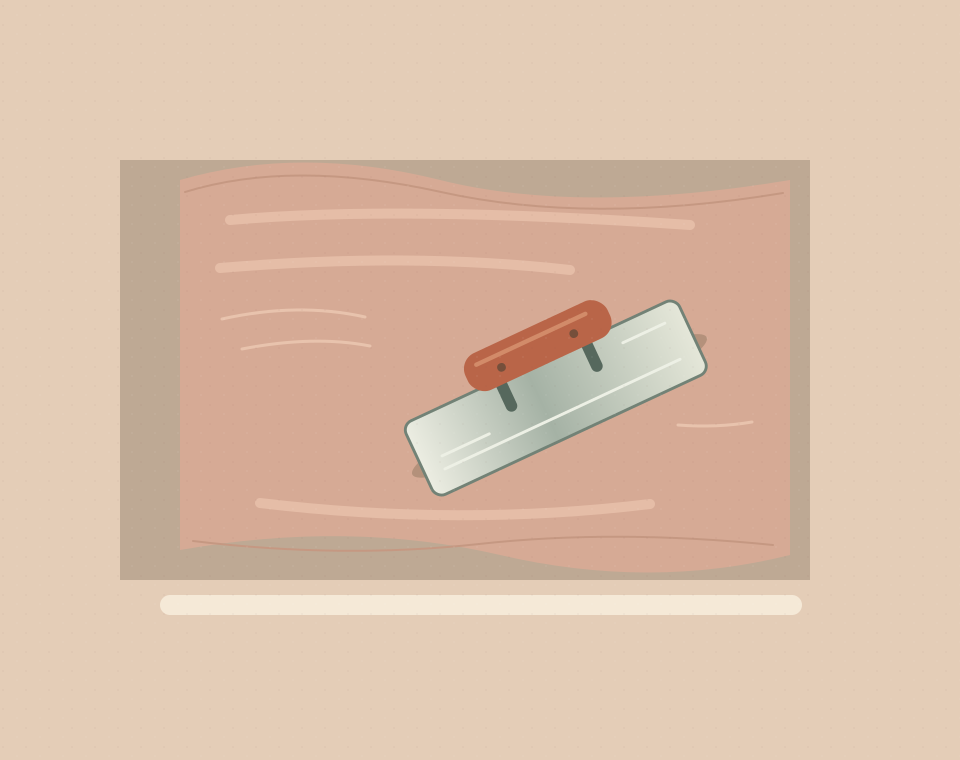
A patch can restore a local area, but its edges may remain noticeable until the wall is decorated. In some rooms a broader skim is appropriate after repair. Compare the necessary repair with the optional extent of refinishing so both parts are clear in the quote.
Plan room access and redecoration
Agree access, protection and work around sockets, skirtings or fitted furniture. Service work should be coordinated before chases are closed. Once repaired, allow the surface to become ready for the intended decoration rather than assuming it can be painted immediately.
PRACTICAL SERVICE DETAILS
Common questions
Can repairs blend into the existing wall?
A repair can be finished into the surrounding surface, but material, texture and decoration affect how visible it remains. Exact matching should not be assumed.
Does hollow-sounding plaster need assessment?
It is a reason to discuss the condition, not a diagnosis on its own. An assessment should establish attachment and the area requiring work.
Should services be finished before repairs?
Agree this with the responsible trade. Closing unfinished chases can lead to reopening the wall and repeating the plaster repair.
When is a whole-wall finish preferable?
It may suit widespread surface defects or a room needing a consistent new finish. First establish which underlying areas actually need repair.