Locate and record ceiling cracks
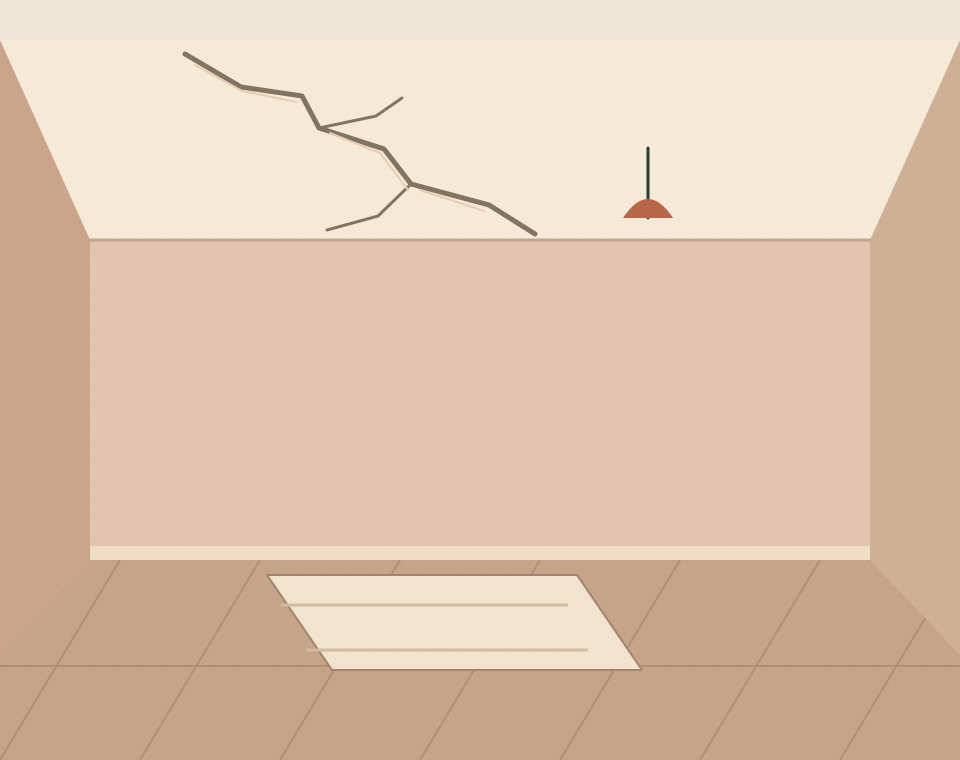
Cracks may follow board joints, appear near a wall junction or cross a previously repaired area. Record whether the line is new, stable or changing. These details help an assessment, but neither a photograph nor the shape of the crack provides a reliable diagnosis alone.
Checks before repairing ceiling cracks
The background, joints, attachment and previous repairs may all need consideration. A ceiling that has been altered can have different materials meeting in the same surface. Explain any known work above or within the ceiling so it can be considered alongside the visible finish.
When other ceiling damage takes priority
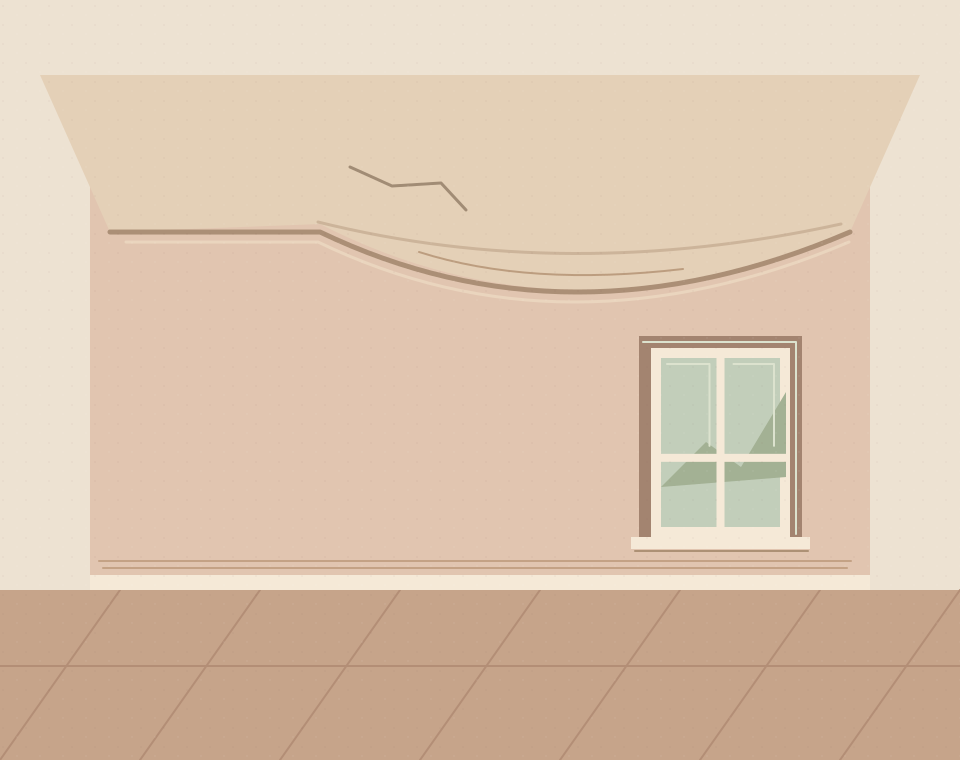
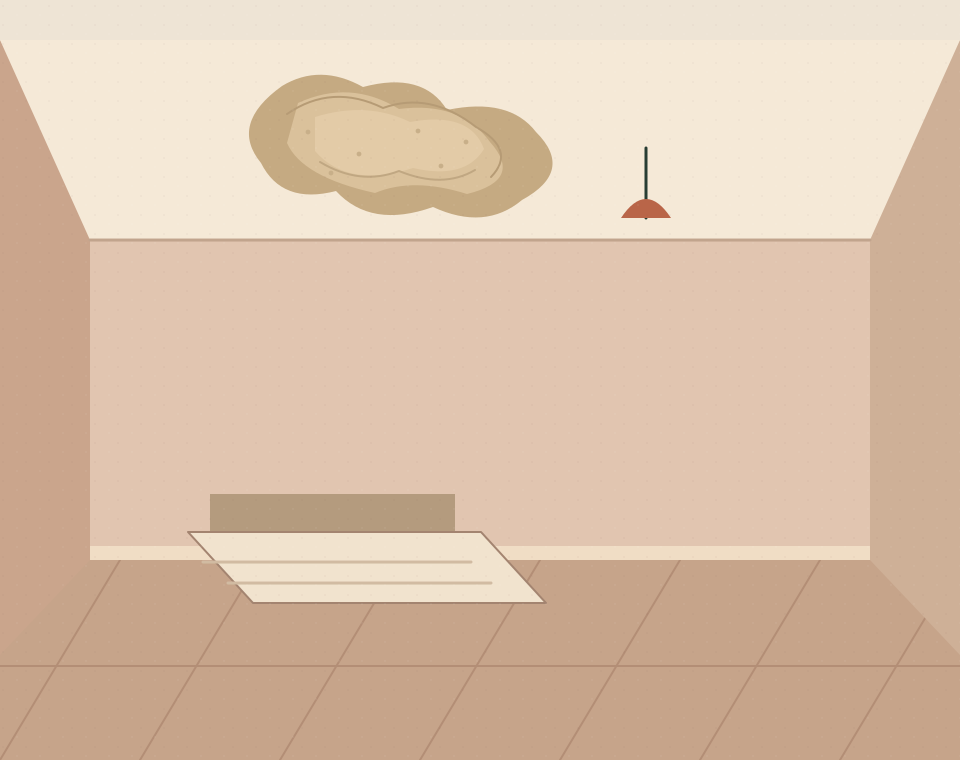
Sagging, bulging or a leak history changes the repair discussion. Those symptoms need the relevant ceiling assessment rather than a crack-only solution. If there is an active or apparently unstable problem, resolve the next step for that before seeking a purely decorative finish.
Agree the repair and finishing area
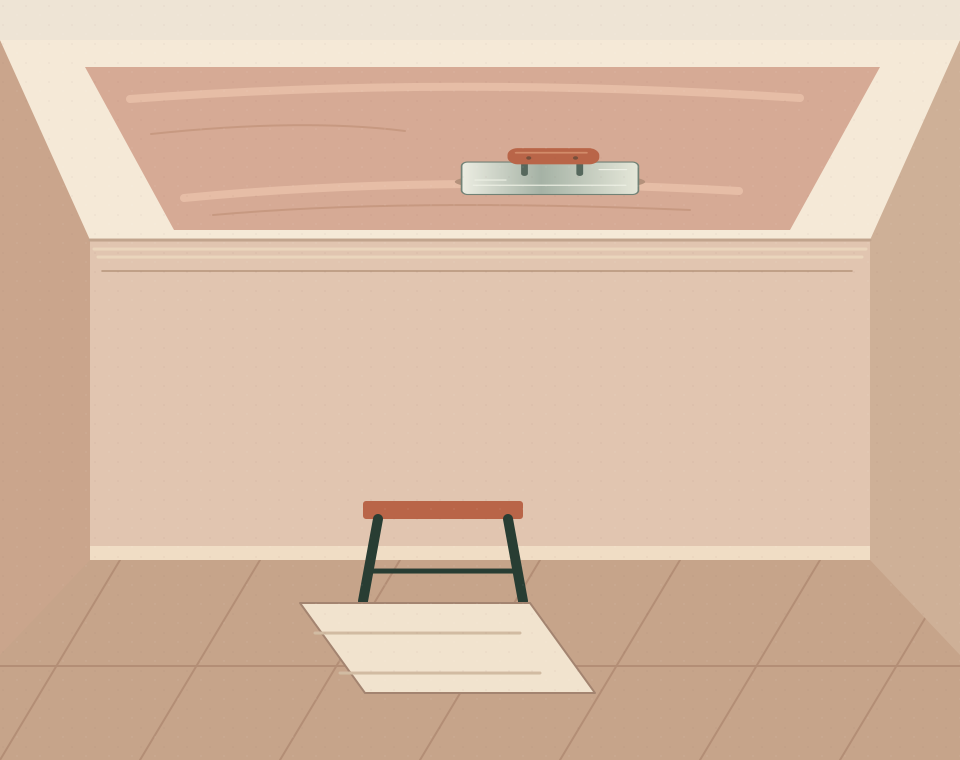
A local repair can be considered when the surrounding surface is suitable. Wider skimming may be part of the finishing scope after the cause is addressed. Discuss how the repair meets retained plaster and how much of the ceiling is likely to need decoration.
Prepare the room and repair history
Provide photographs showing the room and crack location, together with previous repair dates if known. Include ceiling height and access around furniture. A clear brief says whether you want the defect repaired, the whole ceiling refinished or the room considered with its walls.
PRACTICAL SERVICE DETAILS
Common questions
Why do cracks follow board joints?
A visible joint line can have several contributing factors, including the background and how materials meet. An inspection is needed before deciding the repair.
Can skimming stop a recurring crack?
Not necessarily. A new finish alone does not address every issue affecting the joint or background. Recurrence should be investigated first.
Does a ceiling crack mean the ceiling needs replacing?
Not automatically. The cause, condition and surrounding support determine whether a local repair or wider work is appropriate.
Can the repaired area match the existing finish?
A repair can be finished into suitable surrounding material, but texture and decoration affect the final match. Discuss wider finishing if consistency matters.