Identify plasterwork to retain or recreate
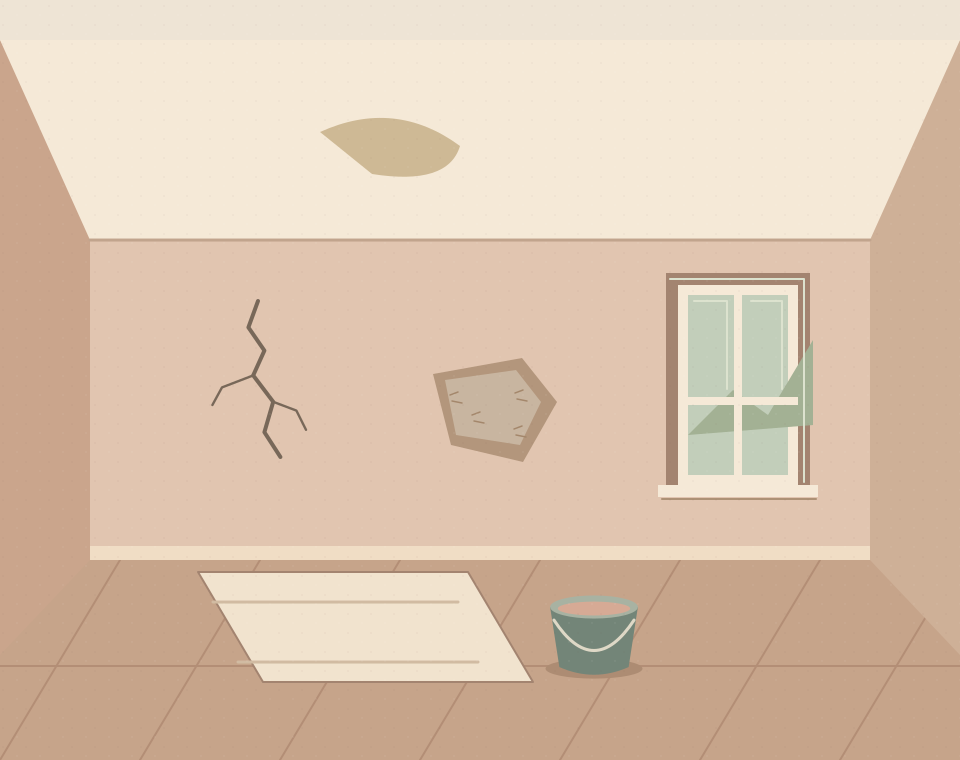
Start by identifying the part of the building you want to change. A traditional wall surface, a damaged lath ceiling and an ornate moulding involve different work. Your goal may be to retain original material, restore a missing section or add a traditional-looking feature to a newer room.
Lime finishes or decorative plaster details
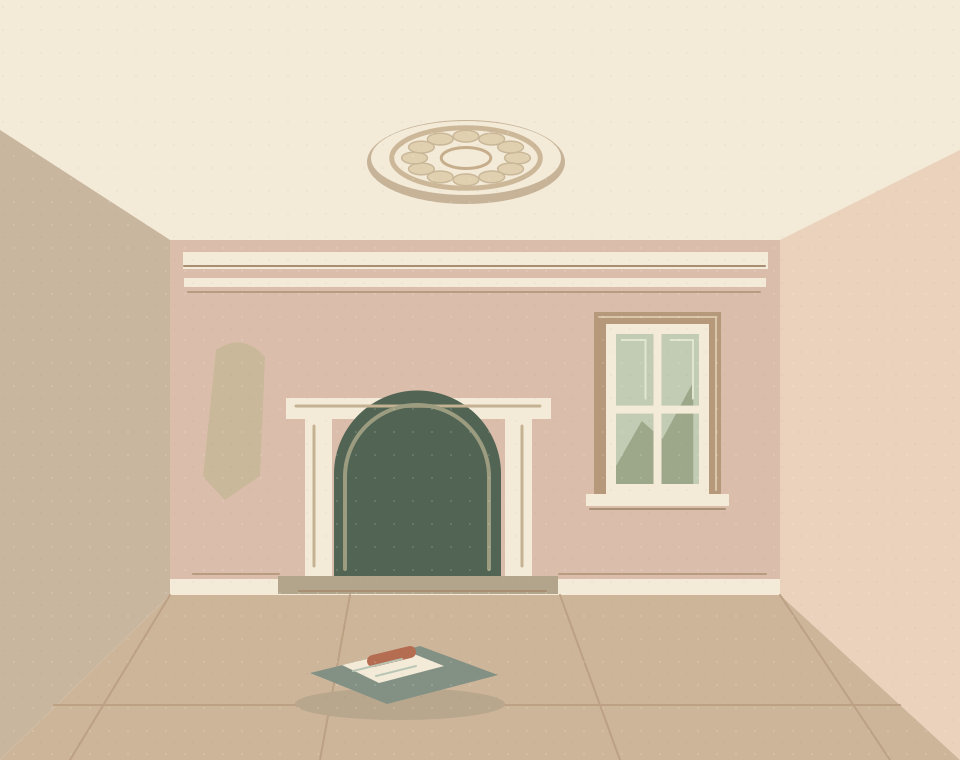
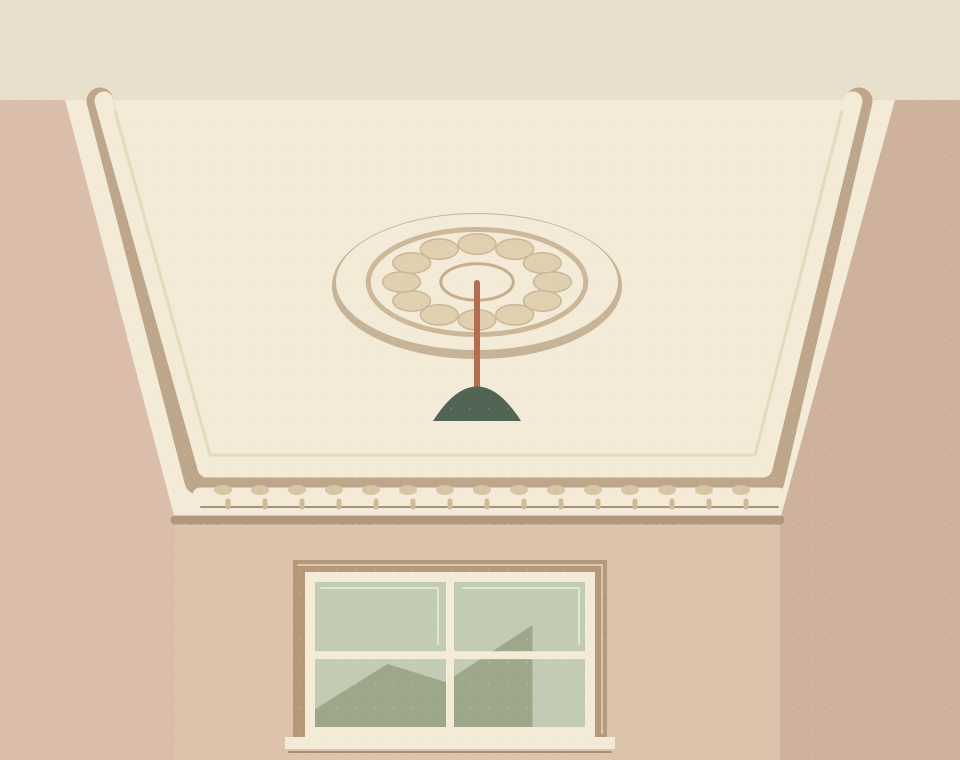
Lime plastering covers material-led work to internal walls, ceilings and lath-supported fabric. Decorative plasterwork covers coving, ornate cornices and ceiling roses. Where the two meet, coordinate the repair and finish so a surface change does not overlook the features attached to it.
Check existing materials and features
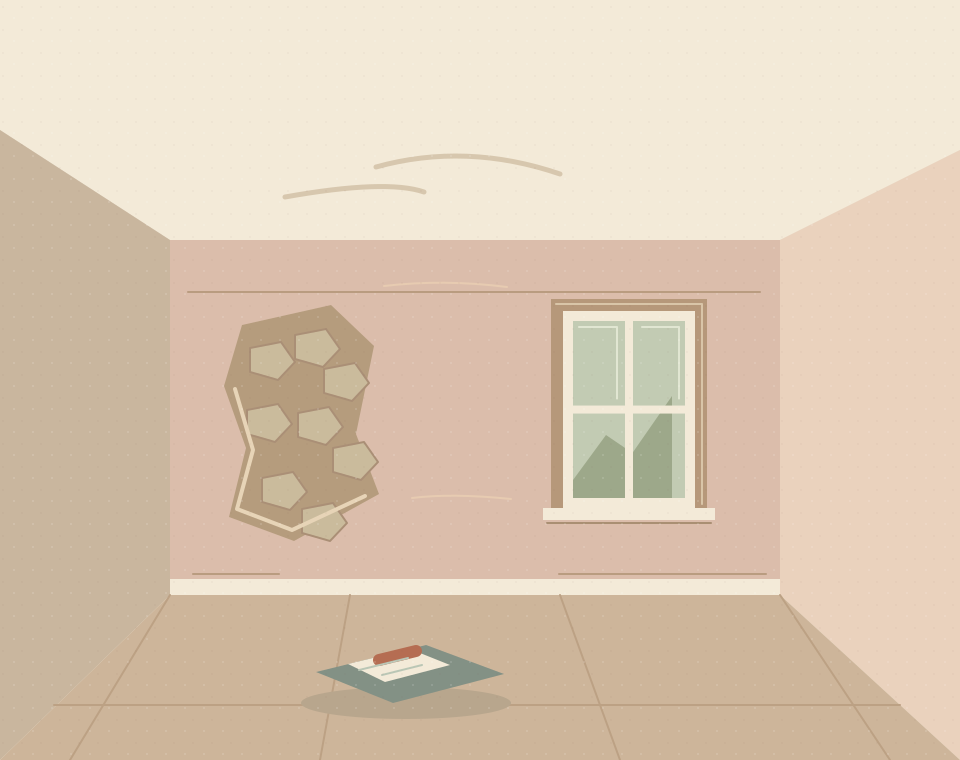
Existing materials and previous repairs should be understood before deciding what to remove. Photographs, surveys and known work history can help. Sound historic plaster may be worth retaining; its age alone does not make wholesale replacement the right starting point.
Account for the property's heritage status
For a listed property, check the proposed work with the local planning authority before beginning. The building's status and the effect of the work matter, including internal details. Do not assume that a like-for-like description automatically settles whether permission is required.
Further guidance: Historic England guidance on heritage consents.
Define traditional repairs and new work
Describe what must remain and what you hope to change, with close-up and room-wide photographs. Include any relevant conservation advice or specification. For a new decorative feature, provide dimensions and references while leaving material and installation suitability to be confirmed.
PRACTICAL SERVICE DETAILS
Common questions
Does an older house always need lime plaster?
No single rule follows from age alone. Existing construction, materials and condition should guide the repair or finish, with specialist advice where appropriate.
Can original decorative features be retained?
Retention may be possible, depending on condition and the surrounding work. Identify the features early so their protection and repair are part of the scope.
Can traditional details be added to a modern room?
Yes, a traditional-style feature can be considered in a newer room. Scale, support, material and the intended appearance still need to be agreed.
What information should I provide about the property?
Provide the known age and construction, photographs, earlier repair details and any listed-status or conservation information relevant to the proposed work.