Identify loose and hollow plaster
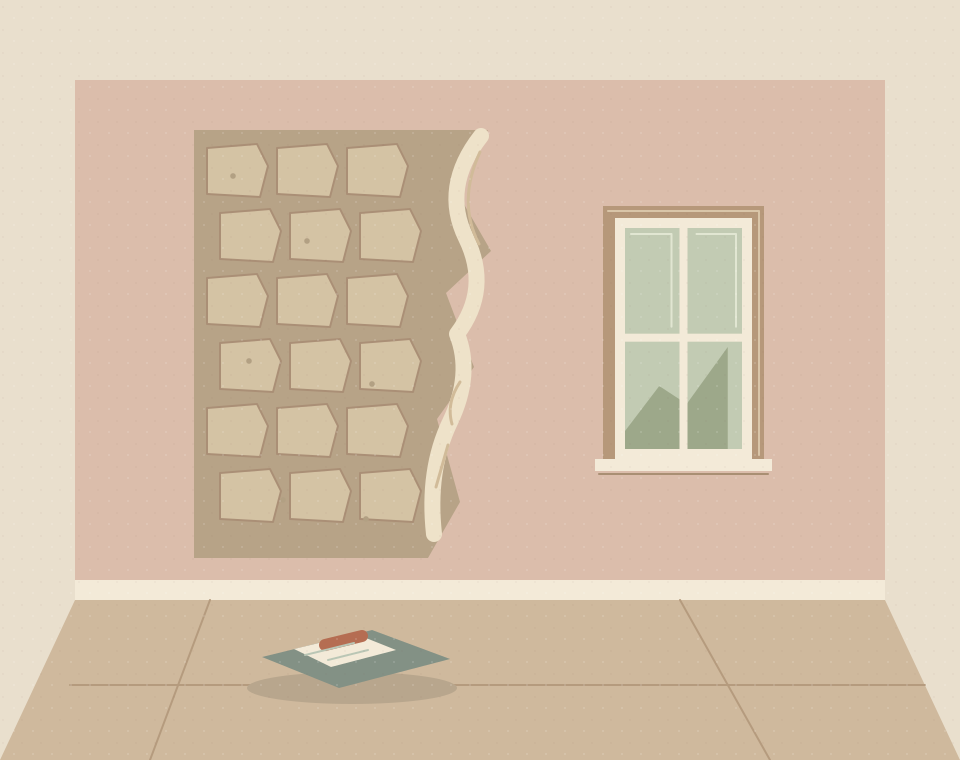
Plaster described as blown may look bulged, come away during decorating or seem detached from the wall. These observations help explain the concern, but do not establish the repair boundary. Avoid pulling at unstable areas or disturbing material to find out how far it extends.
Assess the cause and repair boundary
The assessment should consider attachment, the surrounding plaster and the background. Moisture history, previous patches and the type of wall can all matter. Any continuing cause needs addressing so the new work is not placed over a problem that remains unresolved.
Local patching or wider replastering
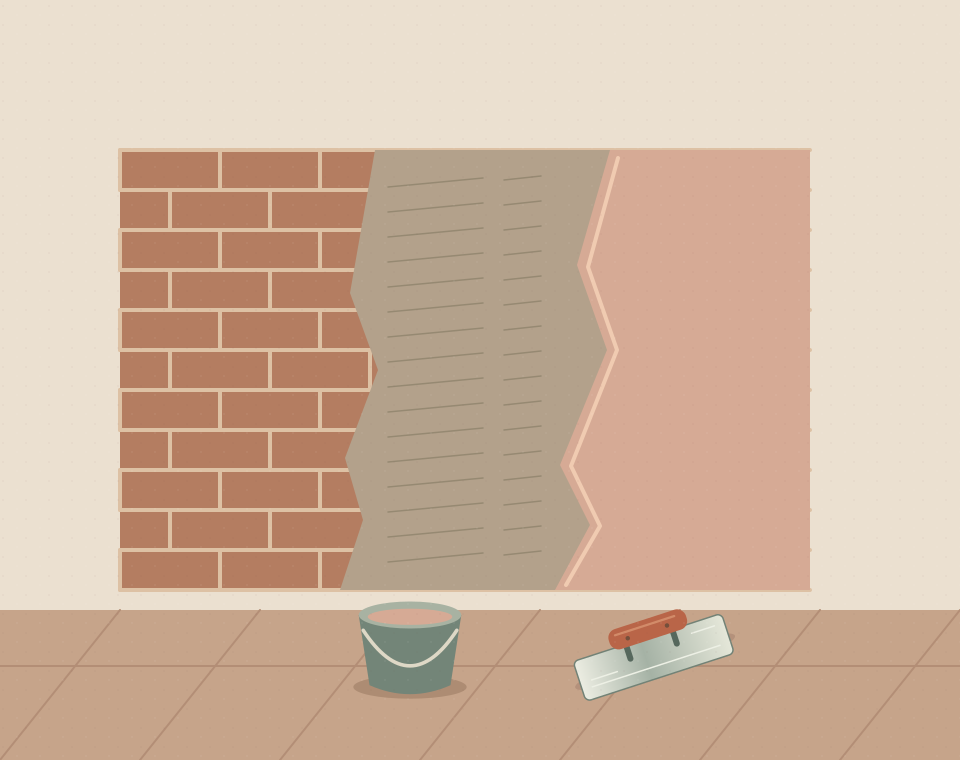
A limited area may be repaired while suitable surrounding plaster stays. More extensive loss may require a larger section to be stripped and replastered. The final scope can depend on what inspection reveals, so discuss how changes to the repair area will be handled.
Match the new finish to the building
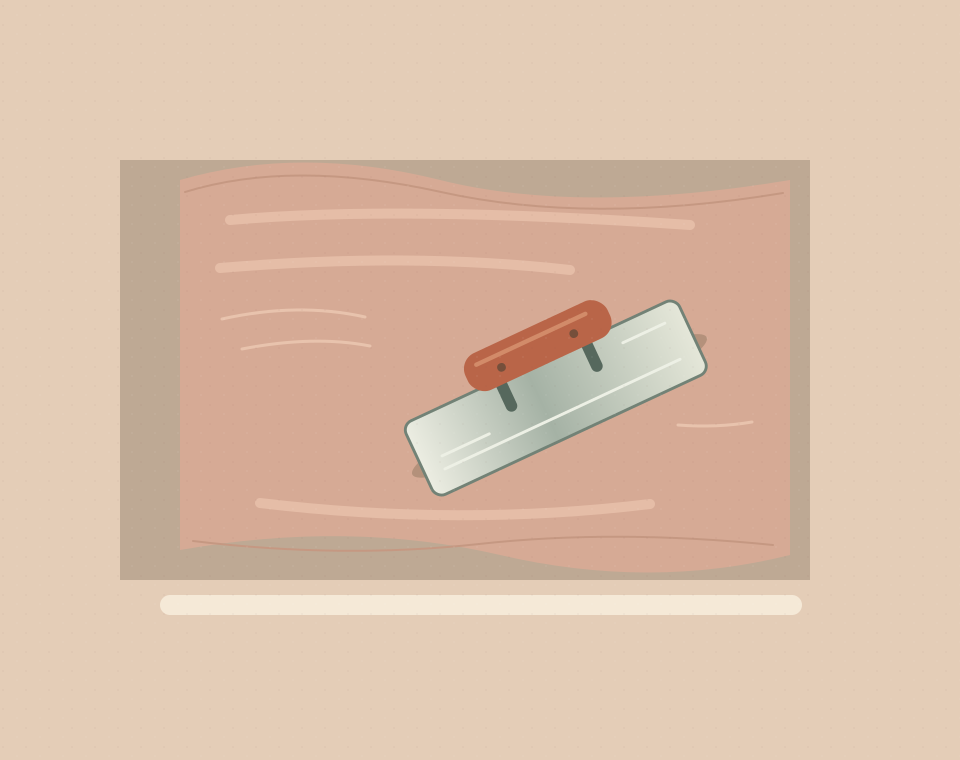
Materials should suit the wall and any retained finish. Older lime-plastered construction may need a compatible repair rather than a generic replacement. Skimming becomes relevant only once a suitable background has been restored; it should not be used to hold loose plaster in place.
Plan removal, protection and making good
Include protection, removal, disposal and making good in the repair discussion. State whether sockets, skirtings or reveals are affected and who handles other trade work. The quote should distinguish necessary reinstatement from any wider skim or decoration you also want.
PRACTICAL SERVICE DETAILS
Common questions
Can loose plaster simply be skimmed?
No new skim should be relied on to secure a defective background. Establish the attachment and repair requirements before the finishing stage.
Does a hollow sound prove plaster has failed?
Not by itself. Construction and condition vary, so an assessment should determine what the observation means and which areas need work.
How is the area needing repair decided?
It depends on the defective material and suitable surrounding background. The visible problem may be smaller than the area identified during assessment.
Can sound surrounding plaster be retained?
Often retention is worth considering, especially with traditional fabric. Whether it is appropriate depends on the actual condition and compatibility of the repair.