Plastering over exposed brick or block
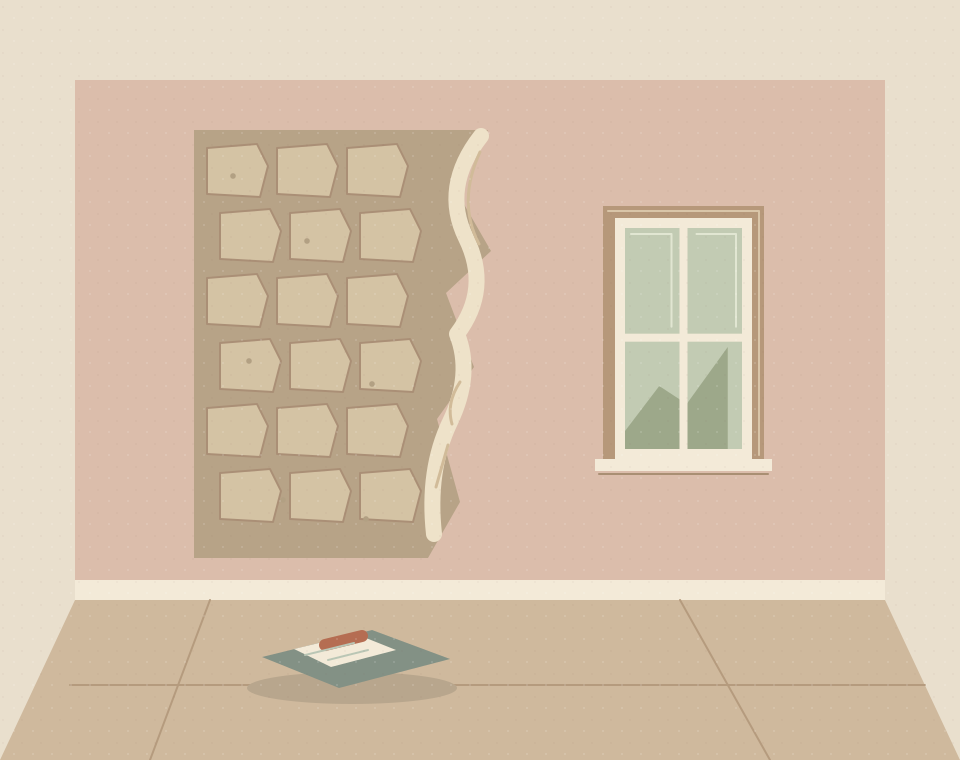
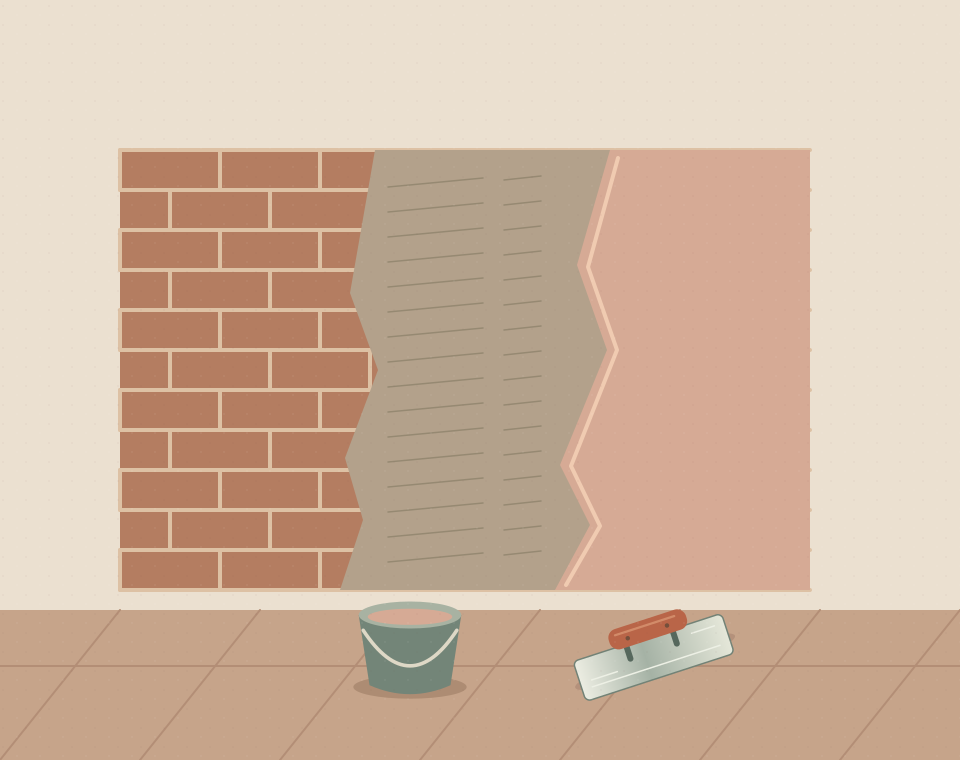
When old plaster has been removed or new masonry is unfinished, there is no intact surface to reskim. The work needs an appropriate plaster build-up and a finishing layer. That makes preparation, background condition and the required wall line central to the job rather than optional extras.
Check masonry before applying plaster
Brick and block walls vary in condition and construction. Previous damp, salts, old coatings and mixed materials need to be identified before covering. Older buildings may need a compatible lime approach. A material should be chosen for the wall and its condition, not just for the desired appearance.
Plan plaster depth, edges and adjoining finishes
The new surface must meet windows, doors, floors and retained plaster. Thickness affects reveals, skirtings and the position of sockets. Discuss uneven masonry and any adjoining finishes that need to remain. These transitions are easier to resolve in the scope than after the main wall is finished.
Wet plaster or board lining
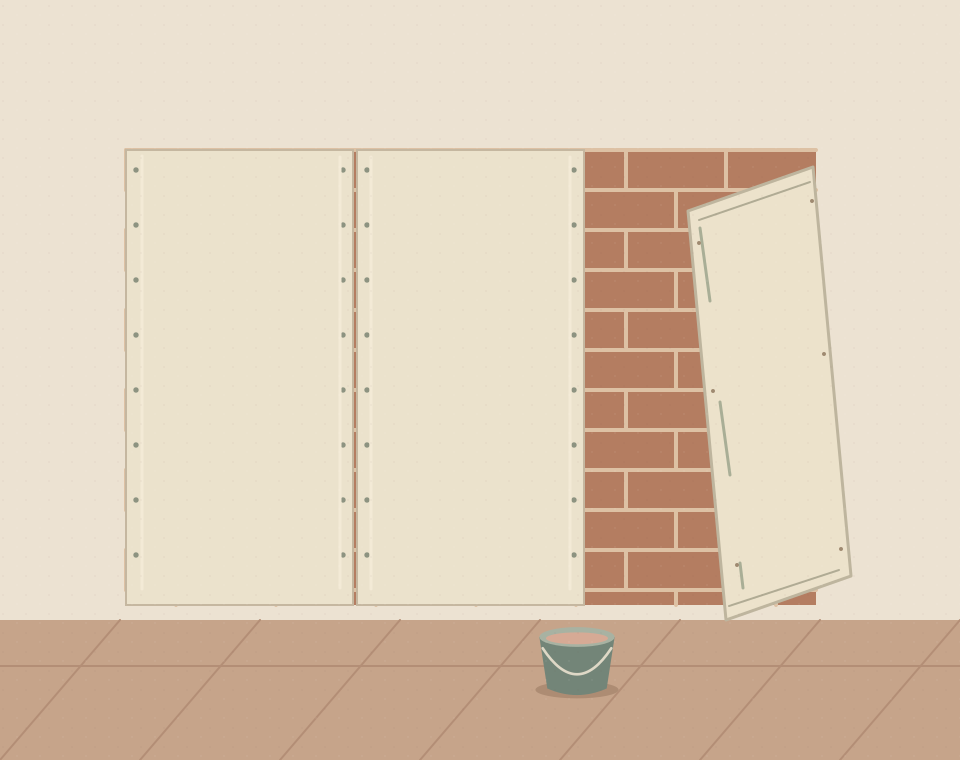
Wet plaster and board lining are different ways to create an internal surface. Room dimensions, the background and any insulation or service requirements can influence the choice. A board lining is not automatically the answer to a damaged or damp wall; its proposed system needs assessing too.
Include preparation and finishing in the quote
List removal, preparation, plaster layers, finish and waste handling separately when discussing the job. Concealed services should be coordinated before covering. Allow for the material's curing or drying needs and later decoration, especially when the wall is part of an extension or wider refurbishment.
PRACTICAL SERVICE DETAILS
Common questions
Does bare brick need more than a skim?
Usually the missing plaster build-up must be replaced with a suitable system before the final finish. A skim alone is not a complete masonry plaster specification.
Can old and new masonry share a finish?
They can form part of one project, but changes in background and junctions need assessment and appropriate detailing rather than being ignored.
How is the plaster material chosen?
The existing construction, condition, moisture history and intended finish guide the specification. Older fabric may need specialist material advice.
Should services be completed first?
Agree the sequence with the relevant trades. Covering unfinished electrical or plumbing work can lead to damage and duplicated preparation later.