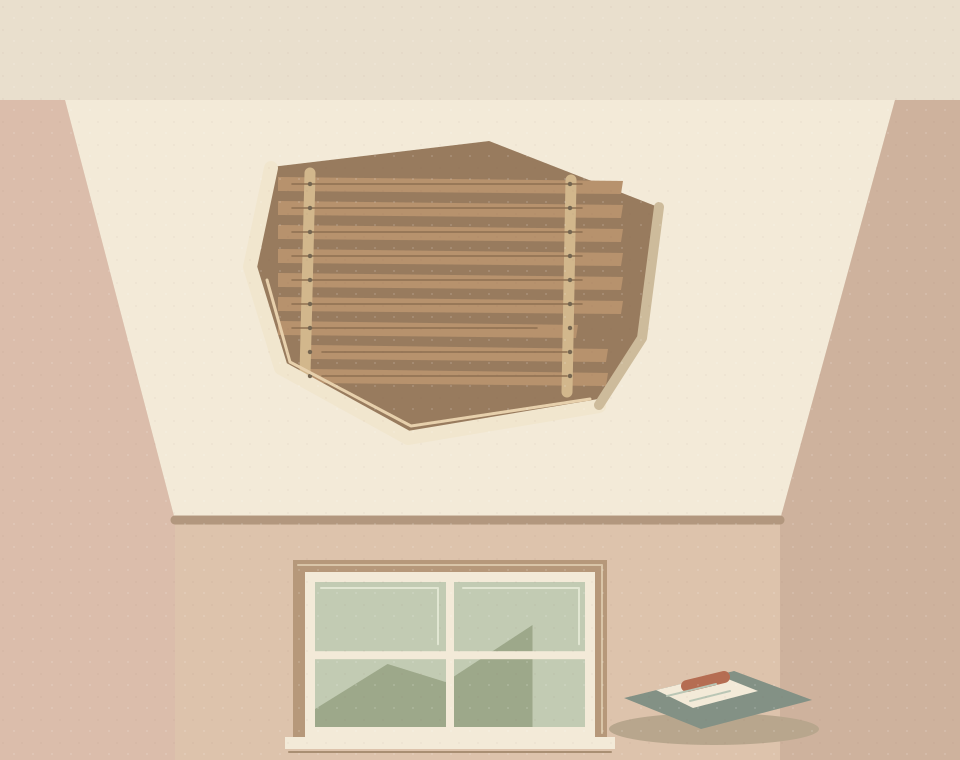
Assess the building and existing plaster
Traditional plaster can be found on masonry and on timber laths. Its condition and composition should be understood before a repair is specified. Do not assume that every old surface needs replacing or that a new lime finish is automatically appropriate simply because the property is older.
Further guidance: SPAB advice on lime or clay plaster.
Lime walls, ceilings and lath repairs
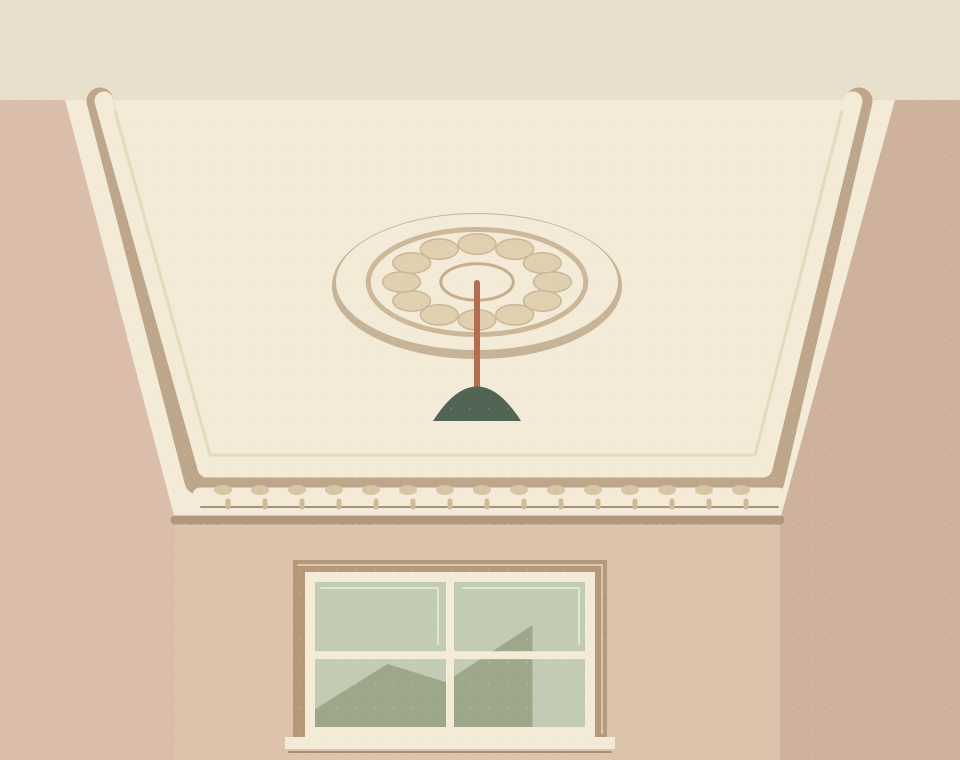
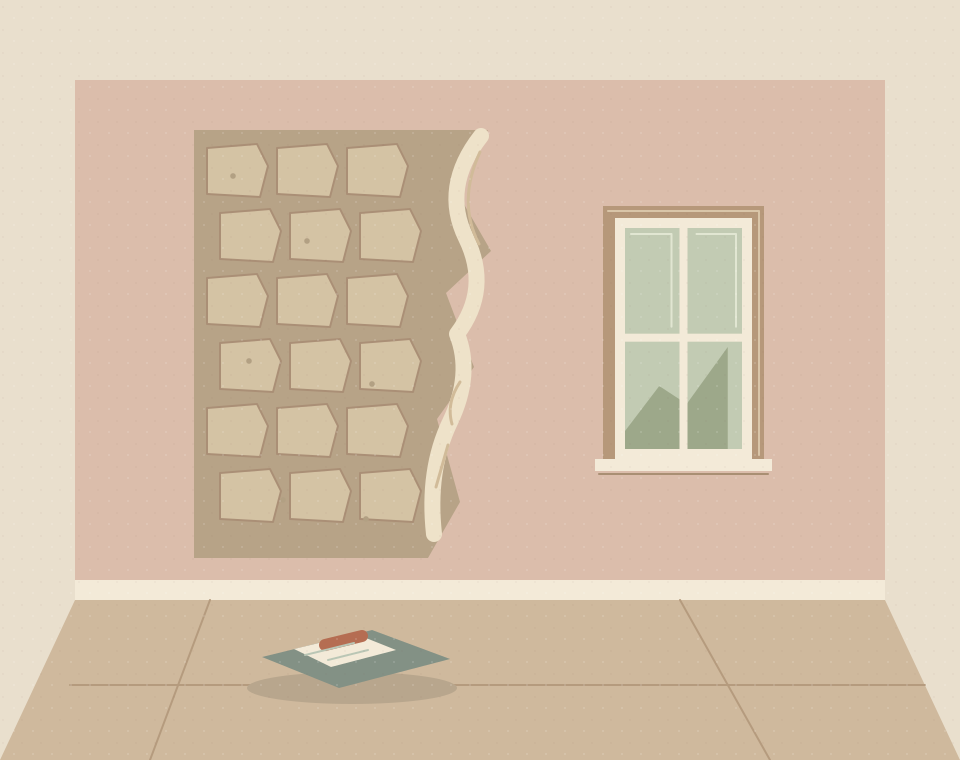
Wall work focuses on the masonry or retained plaster background. Ceiling work adds overhead support and decorative-edge considerations. Lath and plaster repairs deal with the supporting construction and retained fabric as well as the finish. Choose according to the actual area needing attention.
Match materials across adjoining surfaces
Repair materials and decoration should suit the existing construction. Previous incompatible patches or coatings may need consideration, but removing them should follow assessment. Lime plaster does not resolve an active leak or diagnose the source of a moisture problem on its own.
Plan preparation, curing and retained details
Allow the proposed material and working conditions to shape the sequence, including curing and later decoration. Identify cornices, roses and other features that must remain. For protected buildings, establish any required permissions or conservation guidance before disturbing original fabric.
Agree lime materials and the work scope
The quote should state the repair area, material approach and finish, together with preparation and protection. Existing samples, surveys and photographs can support that discussion. Keep any uncertain background condition visible rather than assuming a standard specification suits every room.
PRACTICAL SERVICE DETAILS
Common questions
How can the existing plaster be identified?
Existing records, inspection and appropriate specialist assessment may help. Avoid removing or disturbing material simply to identify it without advice.
Can small areas be repaired in lime?
Local repair may be possible where the surrounding fabric can be retained and a compatible material is specified. The repair boundary needs assessment.
Does lime plaster solve damp on its own?
No. The source of moisture still needs investigation. A compatible finish is one part of the building, not a standalone remedy for every damp symptom.
How should compatible decoration be chosen?
Follow guidance suited to the plaster and existing construction. The finish should be compatible, and its timing should reflect the material's condition and requirements.