Identify lath and plaster construction
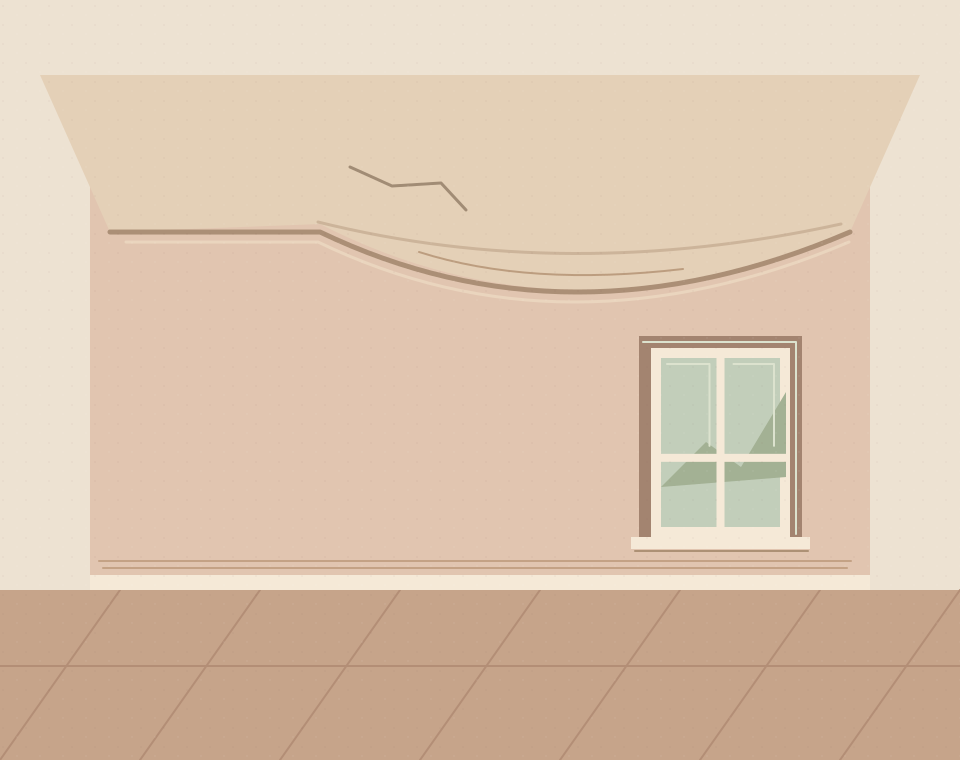
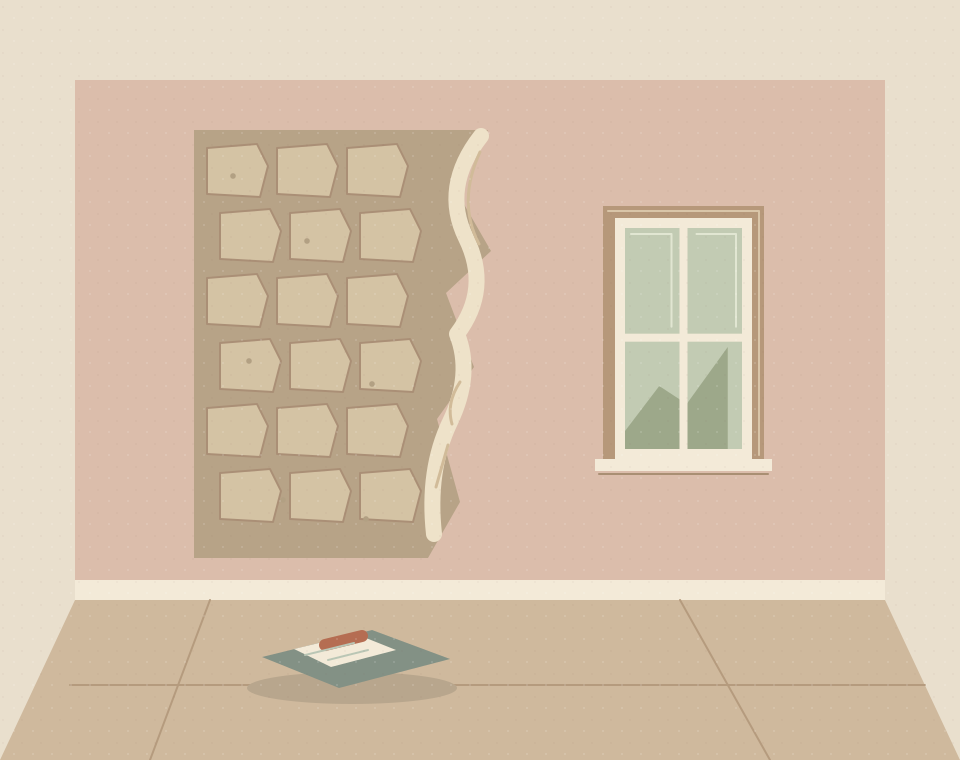
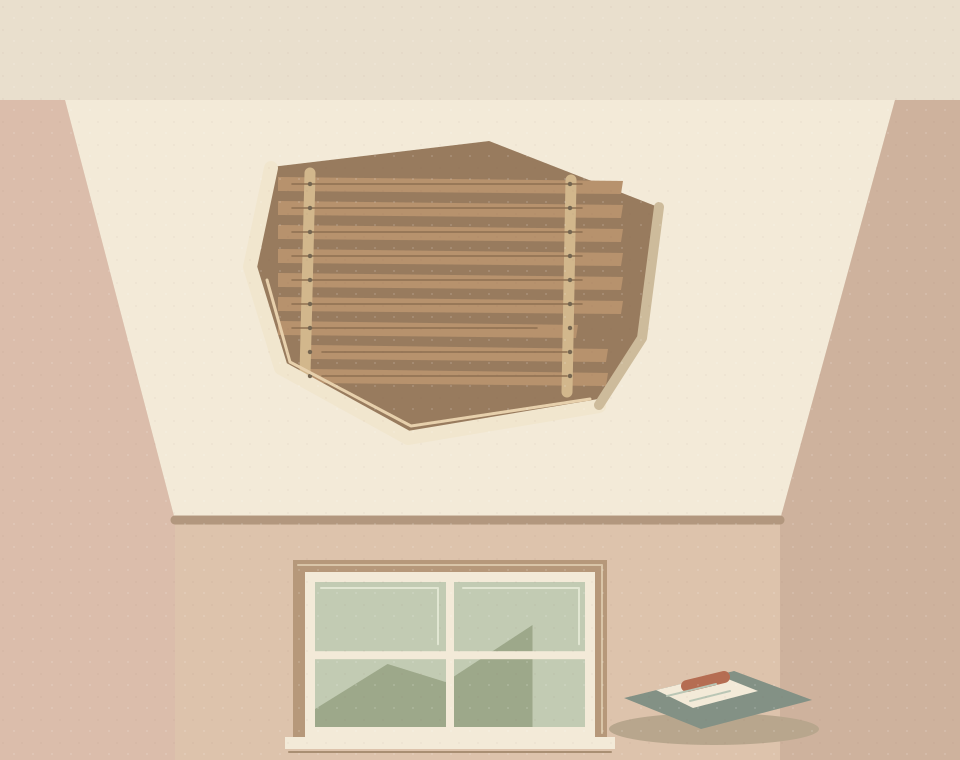
Lath and plaster uses plaster held on a supporting lath background, often timber in traditional buildings. It may be found on ceilings or internal walls. The construction should be identified without unnecessary disturbance, especially where decorative or historic fabric is involved.
Assess laths, plaster and supporting structure
Assessment needs to consider the plaster, its attachment and the supporting material. A change in shape or an apparently unstable area should not be treated as a simple surface defect. Include leak history and earlier alterations, and leave investigative work to an appropriate professional.
Retention, local repairs or reinstatement
Local repairs, retention of surrounding material or wider reinstatement may be options depending on condition. A blanket decision to replace every old ceiling with board can overlook fabric worth conserving. Equally, retention should not be promised before the support and repair requirements are understood.
Further guidance: SPAB advice on retaining traditional plaster.
Coordinate compatible finishes and features
Choose the reinstatement and finishing materials to suit the existing construction. Walls and ceilings have different access and junction details, and an ornamental edge may need a separate repair specialist. Coordinate these elements rather than treating the decorative face as the whole job.
Record the traditional fabric to retain
Record the fabric to retain, affected areas and any inspection or conservation advice. Provide room-wide photos and existing records instead of exposing more material yourself. Ask the quote to separate support-related work, plaster reinstatement and the final decoration, with uncertain areas clearly noted.
PRACTICAL SERVICE DETAILS
Common questions
Can damaged lath and plaster be repaired locally?
A local repair may be possible where the surrounding construction is suitable. The condition of both plaster and support determines the approach.
How is the extent of repair established?
Appropriate inspection establishes which parts are affected and what can be retained. The visible defect may not show the full supporting condition.
Must an old ceiling be replaced with plasterboard?
No automatic replacement rule applies. Retention, repair and replacement should be considered against the actual condition and any conservation requirements.
How are original features considered in the repair plan?
Identify them before work and include their condition, protection and adjoining repair details in the scope. Any required specialist input should be agreed early.